Low Water Pressure Diagnosis in Wichita
Weak or dropping well water pressure in Wichita? We trace the real cause — pump, tank, switch, or clogged line — before replacing parts.
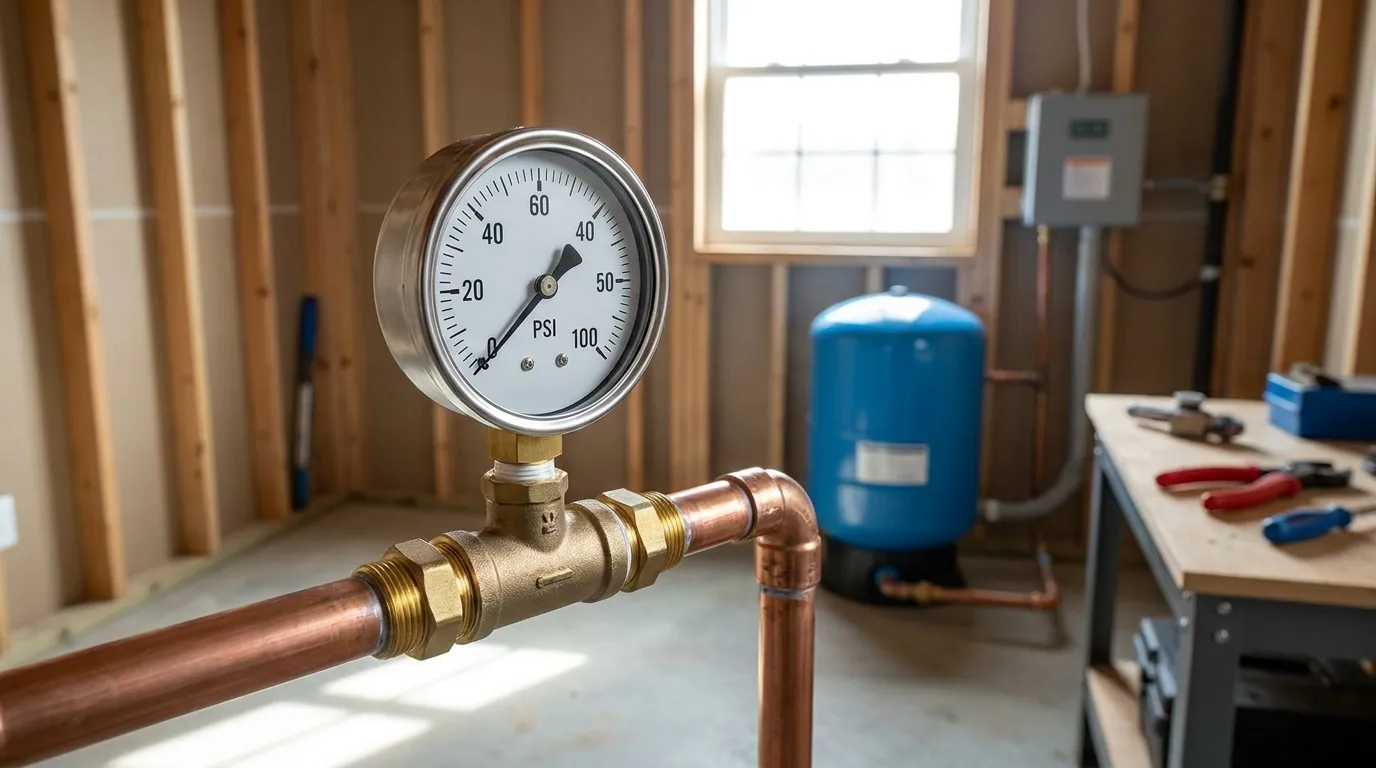
Why your well water pressure dropped
Low water pressure is a symptom, not a diagnosis. On a private well, weak flow at the tap can come from the pump, the pressure tank, the pressure switch, a clogged screen, sediment in the lines, or the well itself running low. Replacing the wrong part is a common and expensive mistake, which is why the first job is to trace the pressure loss to its source.
The warning signs usually build gradually. You might notice showers that fade when another fixture turns on, a pump that runs far more often than it used to, sputtering or air in the lines, or pressure that reads fine at the tank but weak at the far end of the house. Each of these patterns points toward a different cause.
This page walks through how we isolate the problem in Wichita-area systems. When the trail leads to worn equipment, it ties into well pump repair; when the tank or switch is at fault, pressure tank service is usually the fix.
How we diagnose low pressure
A pressure problem is solved by elimination, working from the easiest checks outward.
-
Confirm the pattern
We note where pressure is weak — one fixture, hot side only, the whole house, or only under load. A single weak faucet is a plumbing issue; whole-house weakness points at the well system.
-
Read the tank and switch
We check the pressure tank's air charge and the switch's cut-in and cut-out settings. A waterlogged tank or a drifting switch is one of the most common reasons pressure feels low and the pump cycles constantly.
-
Watch the pump behave
Amp draw and run time show whether the pump is holding pressure or straining. A pump that runs long and can't reach cut-out is often pumping against wear, a clogged screen, or a dropping water table.
-
Check flow and recovery
We measure delivery and how fast the well recovers. In dry stretches or heavy local irrigation, a shallower well can simply run short of water, which no amount of new equipment fixes.
-
Inspect lines and screens
Sediment and mineral buildup from clay soils and hard water narrow pipes and clog screens and filters. We look for the restriction instead of assuming the pump is to blame.
How Wichita water conditions shape the problem
Water-table level around Wichita moves with the season and with how hard nearby wells are pumping. During a dry summer or an irrigation-heavy stretch, drawdown can outpace recovery in a shallower well, so pressure sags in the afternoon and comes back overnight. That daily rhythm is a strong clue that the well, not the pump, is the limiting factor.
Mineral content matters just as much. Hard water and iron common to the area deposit scale inside pressure tanks, on pump screens, and along supply lines, and that buildup steadily chokes flow. A system that worked fine for years can slide into weak pressure as deposits accumulate — a gradual change that's easy to mistake for a failing pump.
Because the causes overlap, guessing is costly. If the readings point to a pump nearing the end of its range, we'll explain the case for well pump replacement; a full workup through our well inspection is the better route when several symptoms are stacking up at once.
Find out what's really causing it
Book a low water pressure diagnosis in Wichita and get a straight answer on the cause before any parts are ordered.
Serving Wichita, Bel Aire, Park City, Maize, Valley Center, Derby, and Andover.
Frequently asked questions
Does low pressure always mean the pump is bad?
No. Pressure can drop because of a waterlogged tank, a misadjusted switch, a clogged screen, sediment in the lines, or a low water table. We test to find which one applies before recommending any repair, so you don't replace a healthy pump.
Why does my pressure drop only in the afternoon?
That pattern often points to the well recovering slower than it's being drawn down, which is common during dry spells or heavy irrigation nearby. Overnight recovery restores pressure, then it sags again under daytime demand. Flow and recovery testing confirms it.
Can hard water cause low pressure?
Yes. Minerals and iron in local water deposit scale inside tanks, screens, and pipes over time, gradually narrowing the path water travels. The change is slow, so it's easy to blame the pump when the real issue is buildup restricting flow.
What should I check before I call?
Note whether the weakness is one fixture or the whole house, whether it changes through the day, and whether the pump seems to run more than usual. Those details help us narrow the cause quickly once we arrive.